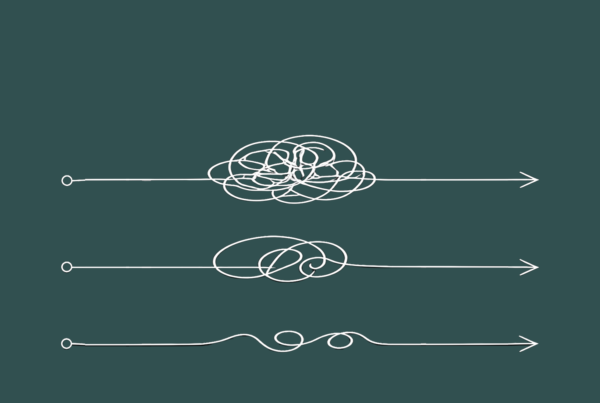
Why Personal Branding deserves its own strategy model
Personal Branding has been kidnapped, but there’s no ransom demand. That’s because the kidnappers don’t realize what they’ve done. Best-selling authors who are commercial strategists (not branding experts), and their academic counterparts (who echo what’s been published on the internet), think that a cool housemate is camping out in their basement, when in reality, they are holding it hostage.
Personal Branding hates its own brand
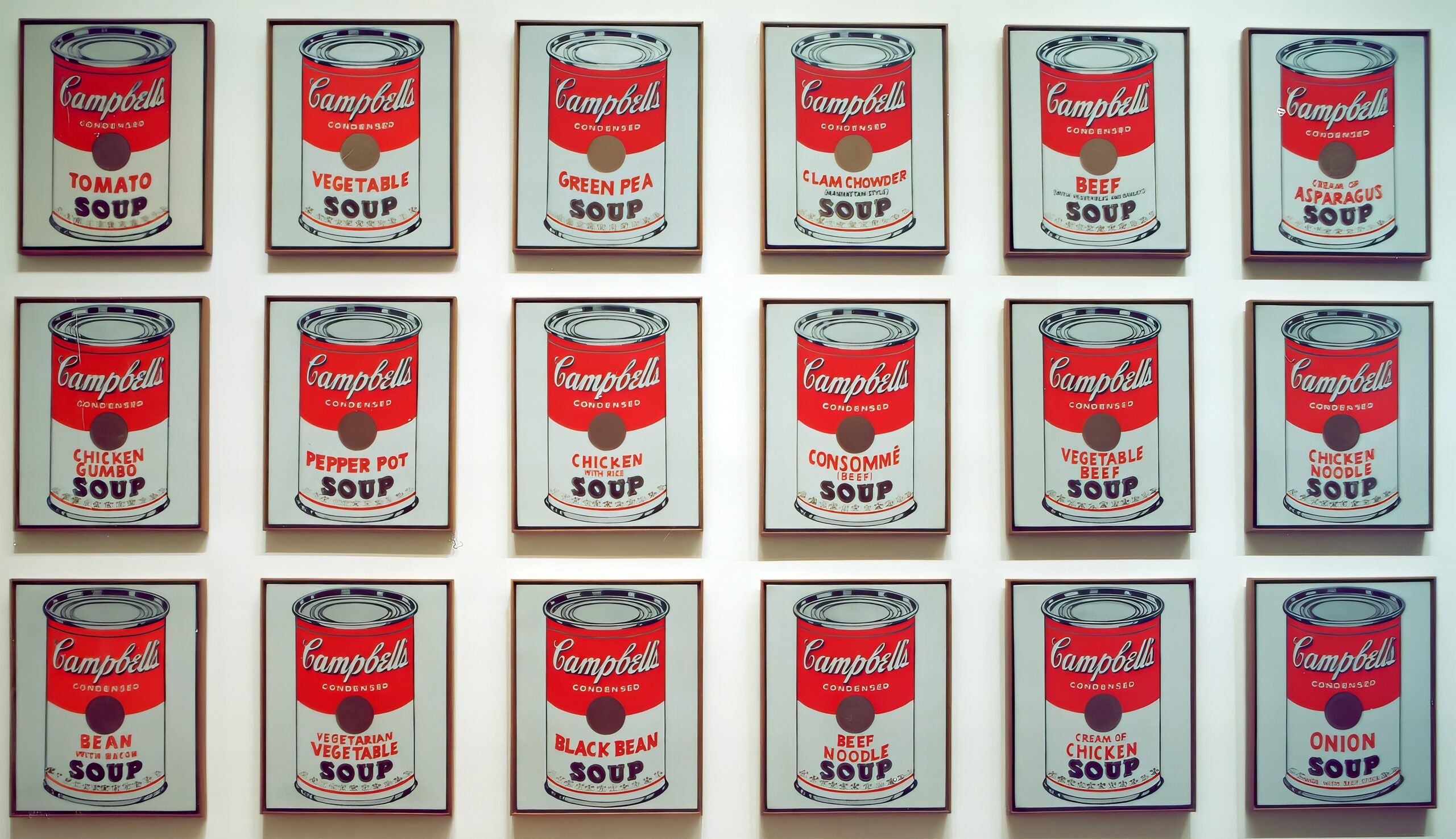
Personal Branding has become so ill-defined, naively appropriated, and incompetently practiced that most people don’t know what it is. If forced to take a guess, they’d tell you that it’s a color-matching exercise at Sephora, a prominent tattoo, or an adaption of the same process used to brand consumer goods and services. For brevity’s sake, let me just say that branding’s function for products is to develop engaging relationships with customers so they bond and become dear friends. In other words, when you savor some Campbell’s Chicken Noodle in winter months, you’re not eating soup; you’re having a cozy moment with Wholesome Comfort.
Let’s get this out of the way
Personal Branding is the purposeful cultivation of the identity you want people to know you by. Like consumer goods models, it’s also about creating that indelible bond with those you wish to impress, befriend and influence. However, people are not soup, which is why traditional branding systems won’t account for the differences. Here are five that make the case for creating a novel model, specifically designed to redeem Personal Branding’s reputation, so it can rightfully claim the respect it deserves.
There is no “new you”
Your authentic brand is already on board. You’re enough. Don’t add any more because you’ll dilute it, or more likely, layer over it with false narratives that make you look good in the moment, but also look like you want to be everything to everybody, which exudes desperation and uncertainty. Be like Coco Chanel (guys, play along). Before you leave the house, get dressed, look in the mirror, and remove one accessory. D’accord?
- Unlike consumer goods that hit the market with spanking new identities, you already have an identity. It may not be well-formed, or even well-known, but still we must assess its equity. Yesterday’s branding systems may promise a “new you.” But personal branding is really rebranding: clearing away the cobwebs and dust until the only thing that remains is your irreducible personal brand. It’s not transformation. It’s revelation.
You are your behaviors
The most difficult hurdle in Personal Identity Development is transferring your strategy into messages, actions and behaviors. “I’m a Chief Marketing Officer aiming for the top spot in the next few years. I love that my brand stands for Imaginative Practicality. How do I talk and walk like that?”
- Unlike Campbell’s Soup, Personal Brands have no one to help them get their messages out or organize interpersonal engagements. You are your own marketing and sales team. Personal Brands need self-guided communication strategies and tactical action plans on the best ways to stay true to your genuine self—somewhat like a brand book for soup, only with behaviors replacing guidelines on color, typography and logos.
You need you to work on you
Branding experts don’t work in the fitting room and come out with your bespoke self. You identity won’t flatter if you are not part of the process, or else it will look like a costume—inauthentic and garish.
- You must be happy with your personal brand to live it sincerely. Soup doesn’t have to like itself to be good at what it does. So, expert branding systems mandate a highly collaborative process, where you co-create your identity with inventive exercises that coach you throughout. Soup just sits there in an unmarked can, waiting for graphic designers to come up with its unique identity.
Heart vs. Hearty
Personal Brands feel. They fall in love and marvel at Picasso and cry when pets die in movies. How you experience emotions must factor into your brand identity or else risk appearing disingenuous—a fatal flaw.
- Personal branding systems built for goods and services don’t account for this variable. Soup is not sorry when it burns your tongue. To avoid a false identity, you must reframe emotions and/or edit brand ambitions (personal or career goals). So, anger might become passionate disappointment, mitigated by a sincere apology. And maybe your feelings will make it unlikely that you’ll become a Director of Human Resources, thereby signalling a choice for a different vocation.
Don’t count on a YouMark™
Despite being well-known in your professional community, Campbell can do something you can’t: secure a Registered Trademark. Other people can try and co-opt or mimic your personal brand, and you have no recourse.
- Old-school branding systems might suggest adding more stuff to your brand identity to make you more complex and, therefore, harder to copy. Specialized identity systems know enough to do the opposite: become as exclusive as possible, so that your personal brand becomes more original. For example, many novelists make a name for themselves writing compelling mysteries. The more they venture into different categories—science fiction thrillers, courtroom dramas, romantic comedies, etc.—the more they should expand and grow their brand, right? Actually, they dilute its uniqueness, and recede into the generic crowd. Better to make it crystal clear. Stay a mystery writer, but condense the scope. Maybe set all your mysteries in a specific location (e.g., Venice, Italy). Or, as many well-branded novelists do, populate your mysteries with a one-of-a-kind protagonist, like a blind detective or a hero whose only weapons are kitchen utensils. Who needs a ® when your brand is a you?